Regenerative Treatments · Growth Factors
Growth factor scalp treatment
Growth factor treatments deliver signalling proteins involved in the hair growth cycle directly to thinning areas of the scalp. They are a complement to — not a substitute for — an evidence-based medical plan.
What it is
Growth Factors
Growth factors are proteins that cells use to communicate. Several of them are involved in regulating the hair growth cycle and the health of the follicle.
Growth factor scalp treatments use prepared formulations of these signalling proteins and peptides, delivered into the scalp by injection or another doctor-selected method.
Unlike PRP, the formulation is not made from your own blood.
Thrive uses established growth factor brands, including QR678 Neo and AnteAGE. The doctor selects the formulation for you.
AnteAGE MD Hair Solution is a hair microneedling solution built on bone marrow mesenchymal stem cell conditioned media, prepared to bias signalling towards the Wnt-1a pathway involved in follicle regeneration, with twelve bio-identical growth factors and cytokines — including IGF-1, IGF-2, FGF-1 and 2, KGF, Noggin and VEGF — on a hyaluronic acid base.
Because AnteAGE MD is not prepared from blood, it does not require a blood draw. The manufacturer's protocol also allows its use alongside PRP in alternating treatments and after a hair transplant to support healing.
Who may be suitable
- Men and women with early-to-moderate pattern hair loss
- Thinning areas with miniaturised but viable follicles on trichoscopy
- Patients who prefer not to have a blood draw, where the doctor considers it appropriate
Who may not be suitable
- Active scalp infection, inflammation or untreated scalp disease in the treatment area
- Pregnancy or breastfeeding
- Scarring alopecia or advanced loss where follicles are no longer viable
- Known allergy or sensitivity to any component of the formulation
- Active cancer (assessed individually)
Suitability is always confirmed by a doctor after assessment.
The procedure
What the treatment involves
01
Assessment and trichoscopy to confirm the diagnosis and suitability.
02
The scalp is cleansed.
03
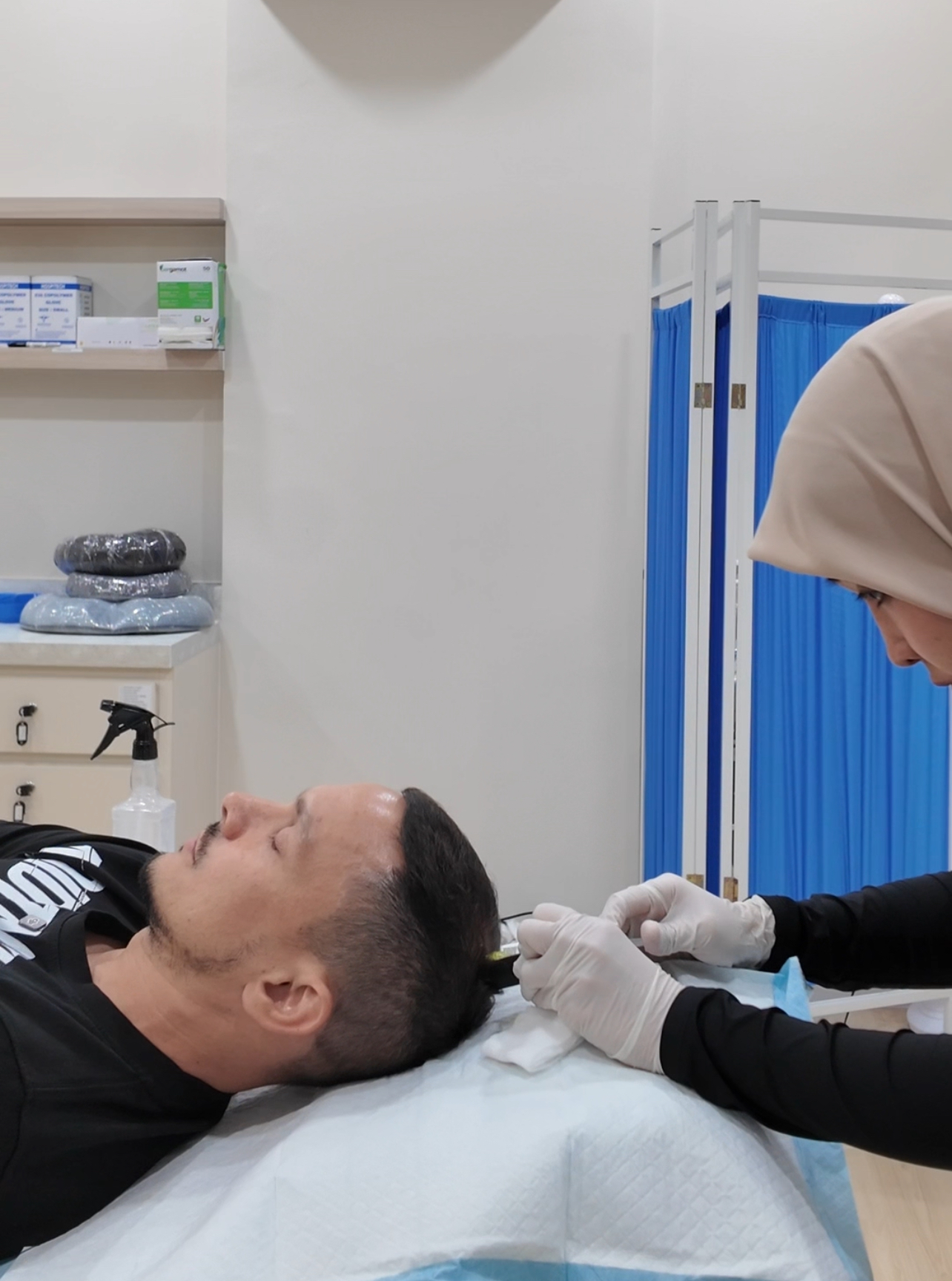
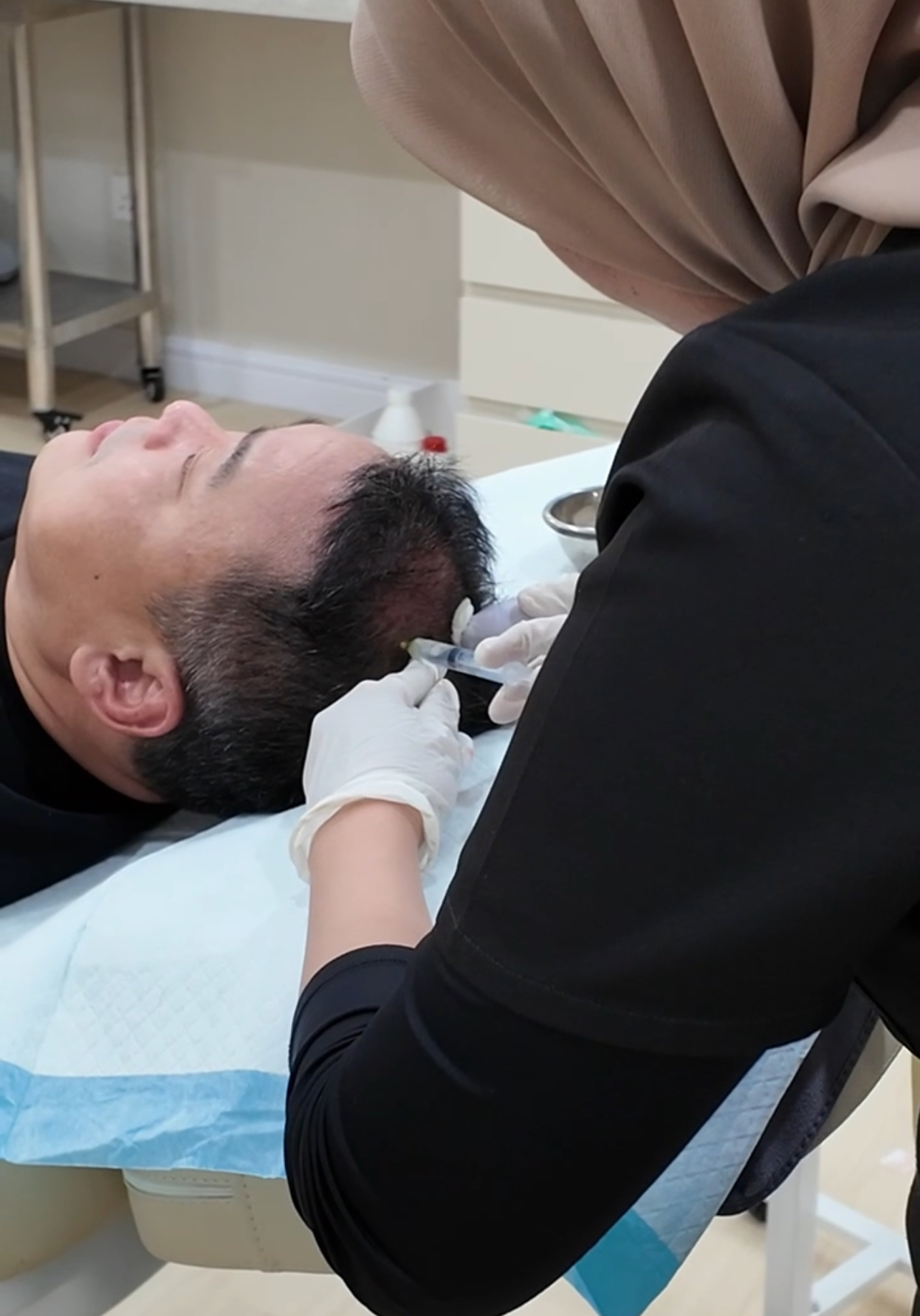
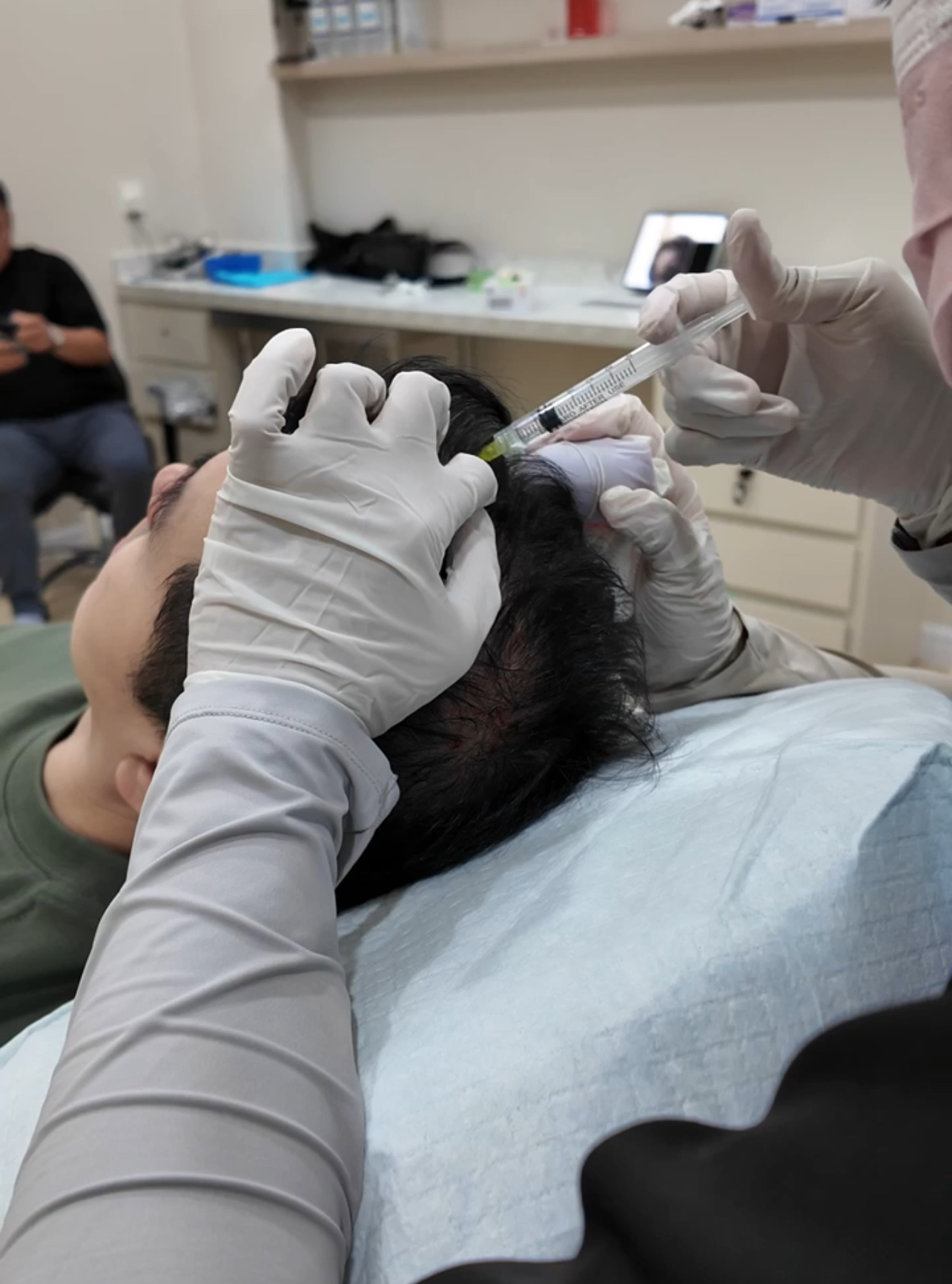
The doctor delivers the growth factor formulation into the thinning areas — by injection, or by hair microneedling for the AnteAGE MD solution.
04
You go home the same day with aftercare instructions.
Treatment schedule
At Thrive, sessions are usually spaced every 4 weeks, with a minimum course of 3–4 sessions. Each session takes around 15–30 minutes. The exact plan depends on the treatment protocol the doctor recommends for you.
Downtime
Usually minimal — most people return to normal activities the same day. Mild tenderness or redness at treatment sites may last a day or two.
Safety
Risks and precautions
Possible side effects and risks
- Discomfort, redness or pinpoint bleeding at injection or microneedling sites
- Temporary swelling or headache
- Allergic or sensitivity reaction (uncommon)
- Infection at treatment sites (uncommon)
Precautions
- Disclose any allergies and all current medications
- Follow the pre- and post-treatment instructions given at consultation
- Continue your prescribed medical therapy unless advised otherwise
Evidence
What the research shows — and doesn't
Evidence
- A randomised comparative study of 50 men with pattern hair loss (QR678 vs PRP) reported greater improvements in hair density and shaft diameter with the growth factor formulation at 6 months.
- In that same trial, the hair pull test fell from an average of 10 hairs to 2 in the QR678 group and remained at 2 at one year, while the PRP group rose back to 7.
- Global photographic assessment scores in that trial averaged 5 at baseline, 7.5 at six months and 8 at one year with QR678, against 5, 6 and 4 with PRP.
- One patient in the QR678 group showed no improvement and none worsened, compared with four showing no improvement and two worsening in the PRP group.
- An open-label multicentre Phase IV study of the QR678 Neo formulation reported improvements in hair pull test, global assessment and videomicroscopy measures after a course of sessions.
- A prospective single-blind study of 20 women with persistent hair shedding after Covid-19 reported that 89% showed excellent hair growth after eight monthly sessions of QR678 Neo, with the improvement maintained after treatment stopped.
- A prospective study of 20 women with female pattern hair loss and PCOS reported more terminal hairs, fewer vellus hairs and wider hair shafts after eight sessions of QR678, with the global photographic improvement maintained beyond one year.
- A prospective pilot study of persistent chemotherapy-induced alopecia reported improvement in global assessment at six months that was maintained at one year, with no severe adverse effects reported.
- A randomised comparative study in alopecia areata found that adding QR678 Neo to intralesional corticosteroid injections improved severity (SALT) scores and dermoscopic markers at six months compared with the injections alone.
- A randomised study of 75 patients with pattern hair loss compared delivering QR678 Neo with a 1.5 mm dermaroller, a 0.5 mm dermaroller and topical application alone; results were maintained at one-year follow-up in the 1.5 mm dermaroller group.
- A pilot study of 40 patients with scalp seborrheic dermatitis that had not responded to standard therapy reported reduced flaking and inflammation scores after eight sessions of QR678 Neo — a study of scalp inflammation rather than hair growth.
Limitations
- The evidence relates to specific formulations; results from one product cannot be assumed for another.
- Many studies are open-label, short-term or industry-associated, and larger independent trials are needed.
- Growth factor treatment does not revive follicles that are no longer viable; responses vary.
- The QR678 vs PRP trial was single-centre and single-blind, run at the clinics that developed the formulation, and followed patients for only one year.
- The statement that QR678 and QR678 Neo are equivalent in efficacy is the authors' own and has not been independently tested.
- The post-Covid hair shedding study had no comparison group, included only 20 women, and was also run by the formulation's developers.
- The PCOS, chemotherapy-induced alopecia and seborrheic dermatitis studies were small pilots without comparison groups, run at the clinics that developed the formulation.
- The alopecia areata and dermaroller studies also come from the same research group and involve specific patient groups; the results may not generalise to everyone.
From the published studies
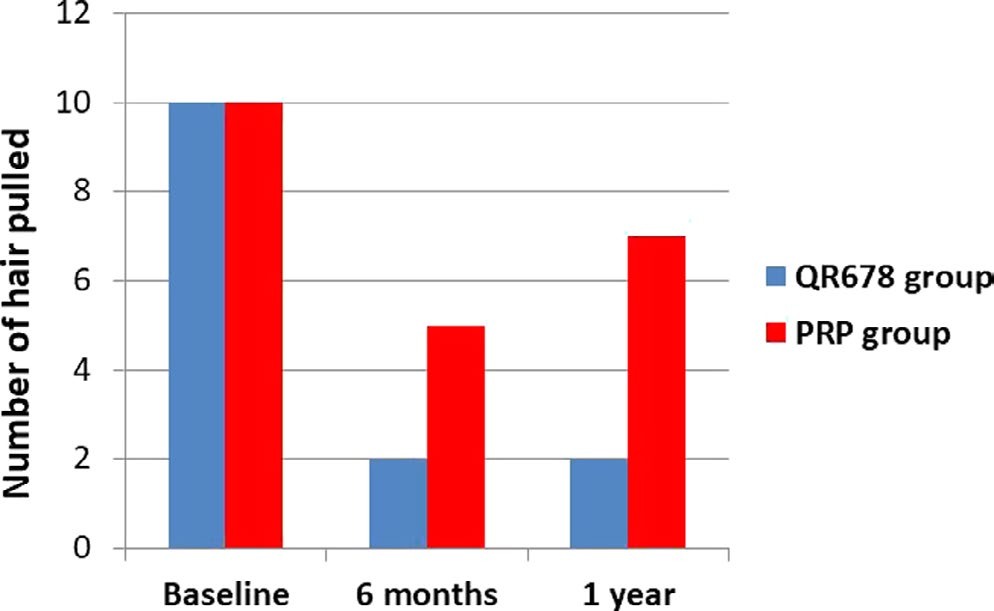
Hair pull test in the randomised comparative trial — the QR678 group fell from an average of 10 hairs pulled to 2 and stayed there at one year, while the PRP group rose back to 7.
Kapoor et al., J Cosmet Dermatol 2020 — Figure 2 (PubMed 32333510)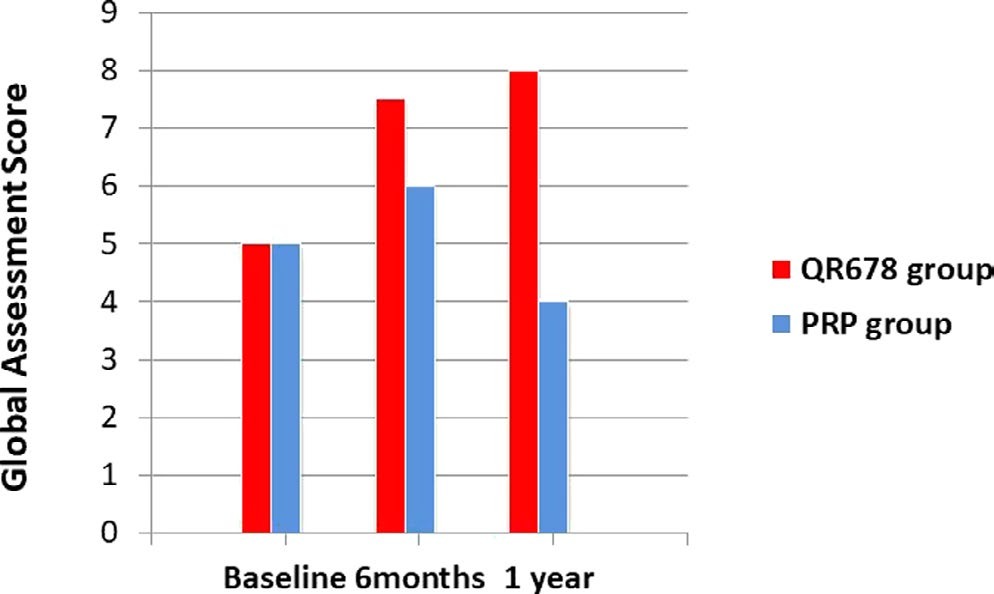
Global photographic assessment in the same trial — QR678 5 → 7.5 → 8 across baseline, six months and one year; PRP 5 → 6 → 4.
Kapoor et al., J Cosmet Dermatol 2020 — Figure 6 (PubMed 32333510)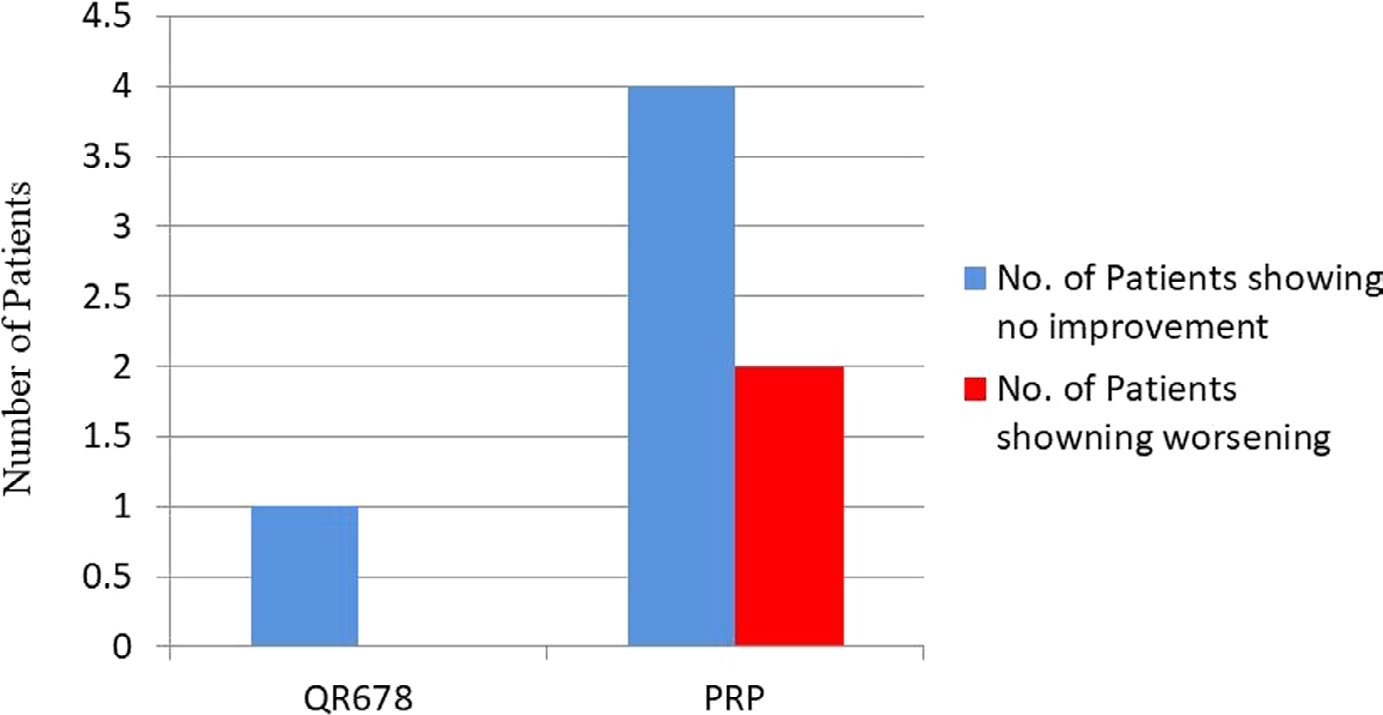
Patients showing no improvement or worsening — QR678: 1 and 0 of 25; PRP: 4 and 2 of 25.
Kapoor et al., J Cosmet Dermatol 2020 — Figure 7 (PubMed 32333510)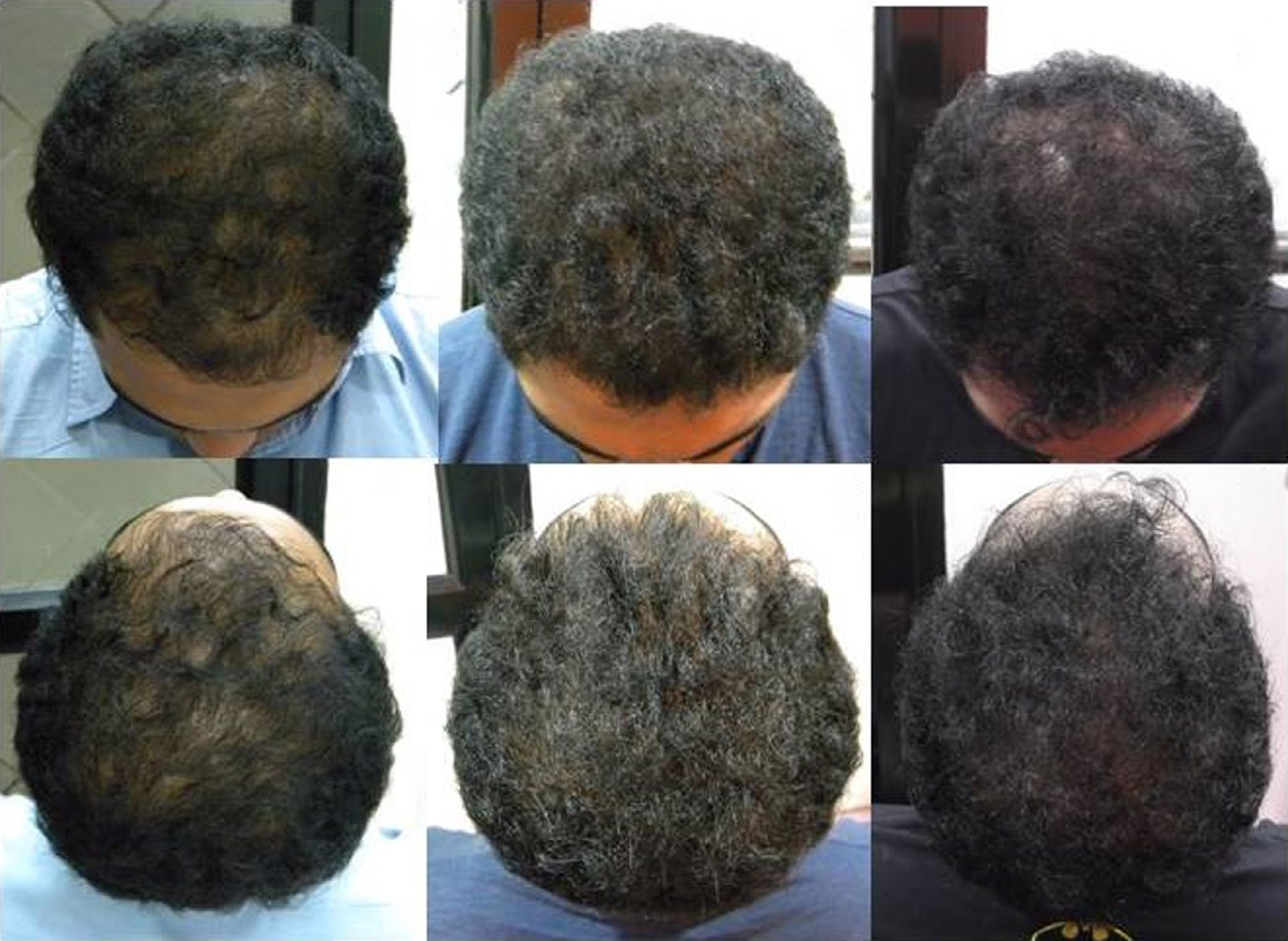
One patient treated with QR678 in the trial — baseline (left), six months (centre) and one year (right). The PRP patient photographed in the same study is not shown here.
Kapoor et al., J Cosmet Dermatol 2020 — Figure 4 (PubMed 32333510)These figures are reproduced from the published randomised trial of QR678 versus PRP cited below. They are published research examples, and the trial was run by the clinics that developed the formulation. Individual results vary and no outcome can be guaranteed.
From the manufacturer case collections
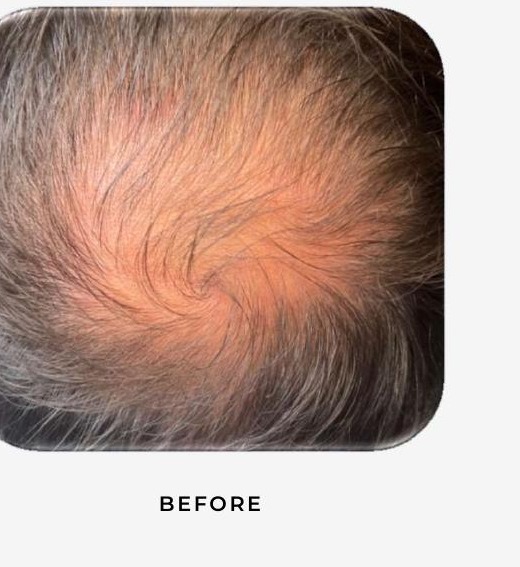
Before — crown area.
Supplier case image, AnteAGE MD Hair Solution
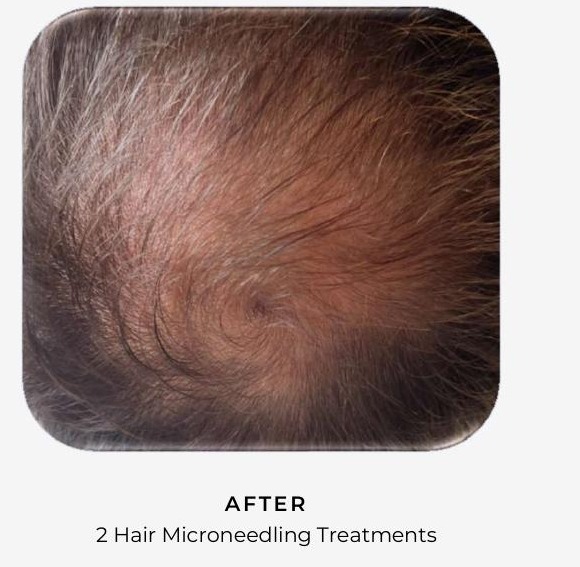
After 2 hair microneedling treatments with AnteAGE MD Hair Solution — crown area.
Supplier case image, AnteAGE MD Hair Solution
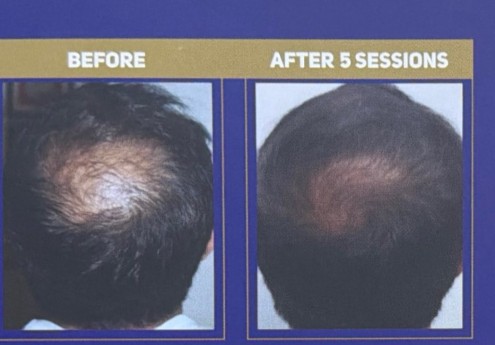
Before / after 5 sessions — male crown.
Supplier case image, QR678 Neo
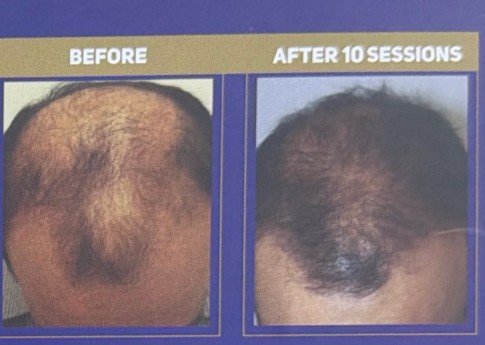
Before / after 10 sessions — male crown and vertex.
Supplier case image, QR678 Neo
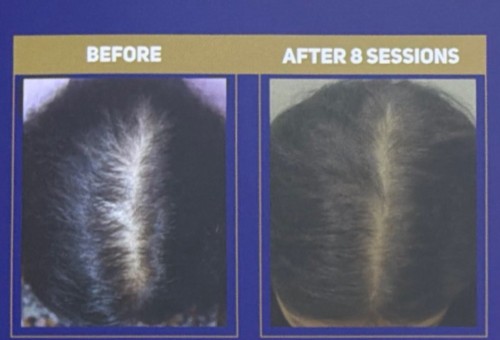
Before / after 8 sessions — female mid-scalp parting.
Supplier case image, QR678 Neo
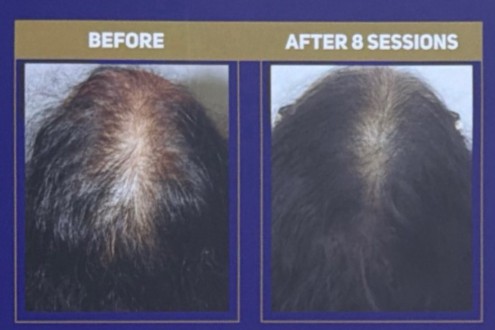
Before / after 8 sessions — female mid-scalp parting.
Supplier case image, QR678 Neo
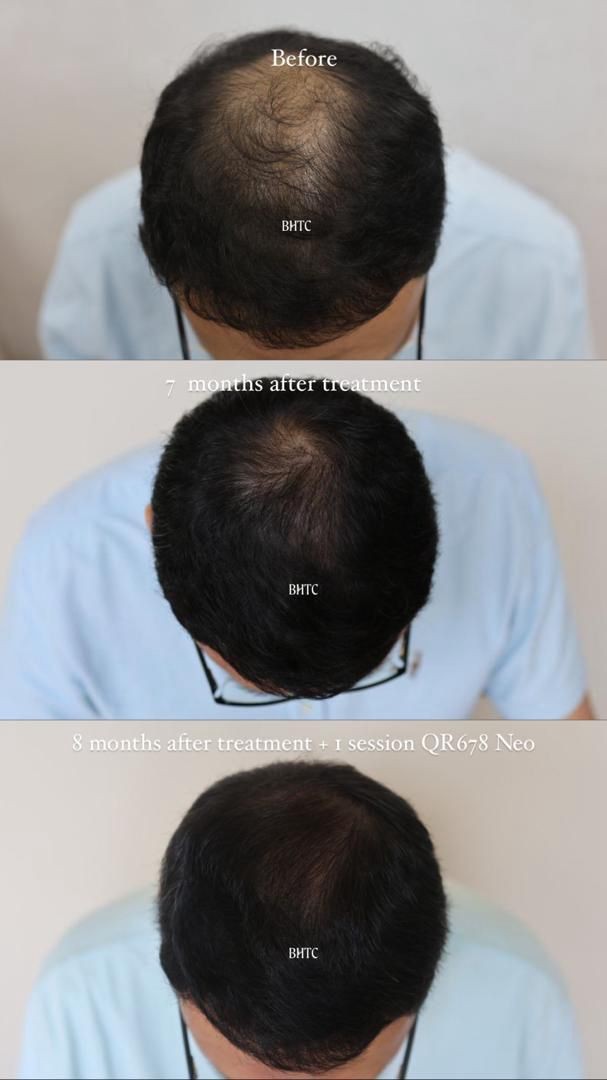
Before / 7 months after treatment / 8 months after treatment + 1 session QR678 Neo.
Supplier case image, QR678 Neo
These case images were supplied by the product manufacturers and photographed at other clinics. Consent and permissions for their use are being confirmed with the suppliers. Individual results vary and no outcome can be guaranteed.
References
- QR678 vs PRP — randomised comparative prospective study, J Cosmet Dermatol 2020, PubMed 32333510
- QR678 Neo — Phase IV multicentre study, PubMed 34997995
- QR678 Neo in post-Covid persistent telogen effluvium — prospective single-blind study, J Cosmet Dermatol 2022, PubMed 34875139
- QR678 in female pattern alopecia with PCOS — prospective study, J Cosmet Dermatol 2020, PubMed 33460214
- QR678 in persistent chemotherapy-induced alopecia — prospective pilot study, J Cosmet Dermatol 2020, PubMed 33016514
- QR678 Neo with intralesional corticosteroid in alopecia areata — randomised comparative study, J Cosmet Dermatol 2022, PubMed 34825770
- QR678 Neo by dermaroller sizes vs topical application — randomised study, J Cosmet Dermatol 2022, PubMed 36069359
- QR678/QR678 Neo with minoxidil and finasteride in male pattern hair loss — prospective study, J Cosmet Dermatol 2021, PubMed 33864424
- QR678 Neo in scalp seborrheic dermatitis — prospective pilot study, J Cosmet Dermatol 2023, PubMed 37621248
FAQs
Questions about Growth Factors
Is this the same as PRP?+
No. PRP is prepared from your own blood. Growth factor treatments use a prepared formulation of signalling proteins and peptides.
Which product do you use?+
We use several brands, including QR678 Neo and AnteAGE. The doctor explains which suits you, its ingredients and its evidence at consultation.
How many sessions will I need?+
Your doctor will recommend a course based on your assessment. We do not set a protocol before seeing your scalp.
How much does it cost?+
Pricing is confirmed at your consultation once the recommended course is known.
Next step
Find out if Growth Factors is right for you
Message us on WhatsApp to arrange an assessment with one of our doctors. Treatment is only recommended where it can genuinely help.
Session pricing for this treatment has not yet been published and is confirmed at consultation. The regulatory status of each growth factor product is confirmed at consultation. Consent and permissions for the supplier-supplied case images on this page are confirmed with the manufacturer before publication. Reuse permission from the journal publisher for the study figures reproduced on this page is confirmed before publication. This page provides general information and is not medical advice. Individual results vary and no outcome can be guaranteed; a clinical assessment is required before any treatment.