Regenerative Treatments · PRP
Platelet-Rich Plasma (PRP) for hair loss
PRP uses a concentrate prepared from your own blood to support thinning areas where follicles are still viable. It is the most studied regenerative treatment for pattern hair loss — and it works best as part of a medical plan.
What it is
Platelet-Rich Plasma (PRP)
PRP is prepared from a small sample of your own blood, which is spun in a centrifuge to concentrate the platelets in a small volume of plasma.
Platelets contain growth factors involved in tissue repair and cell signalling. When injected into the scalp, the aim is to support miniaturising follicles and prolong the growth phase of the hair cycle.
Because it is autologous (from your own body), nothing foreign is added to the concentrate.
Who may be suitable
- Men and women with early-to-moderate androgenetic (pattern) hair loss
- Diffuse thinning where trichoscopy shows miniaturised but viable follicles
- Patients already on, or starting, medical therapy who want an additional option
- Hair transplant patients, as a supportive treatment discussed by the doctor
Who may not be suitable
- Active scalp infection, inflammation or untreated scalp disease in the treatment area
- Pregnancy or breastfeeding
- Scarring alopecia or advanced loss where follicles are no longer viable
- Platelet or bleeding disorders, low platelet count, or anticoagulant therapy (assessed individually)
- Active cancer or systemic infection
Suitability is always confirmed by a doctor after assessment.
The procedure
What the treatment involves
01
Assessment and trichoscopy to confirm the diagnosis and that PRP is appropriate.
02
A blood sample is drawn from your arm, similar to a routine blood test.
03
The sample is processed in a centrifuge to separate the platelet-rich plasma.
04
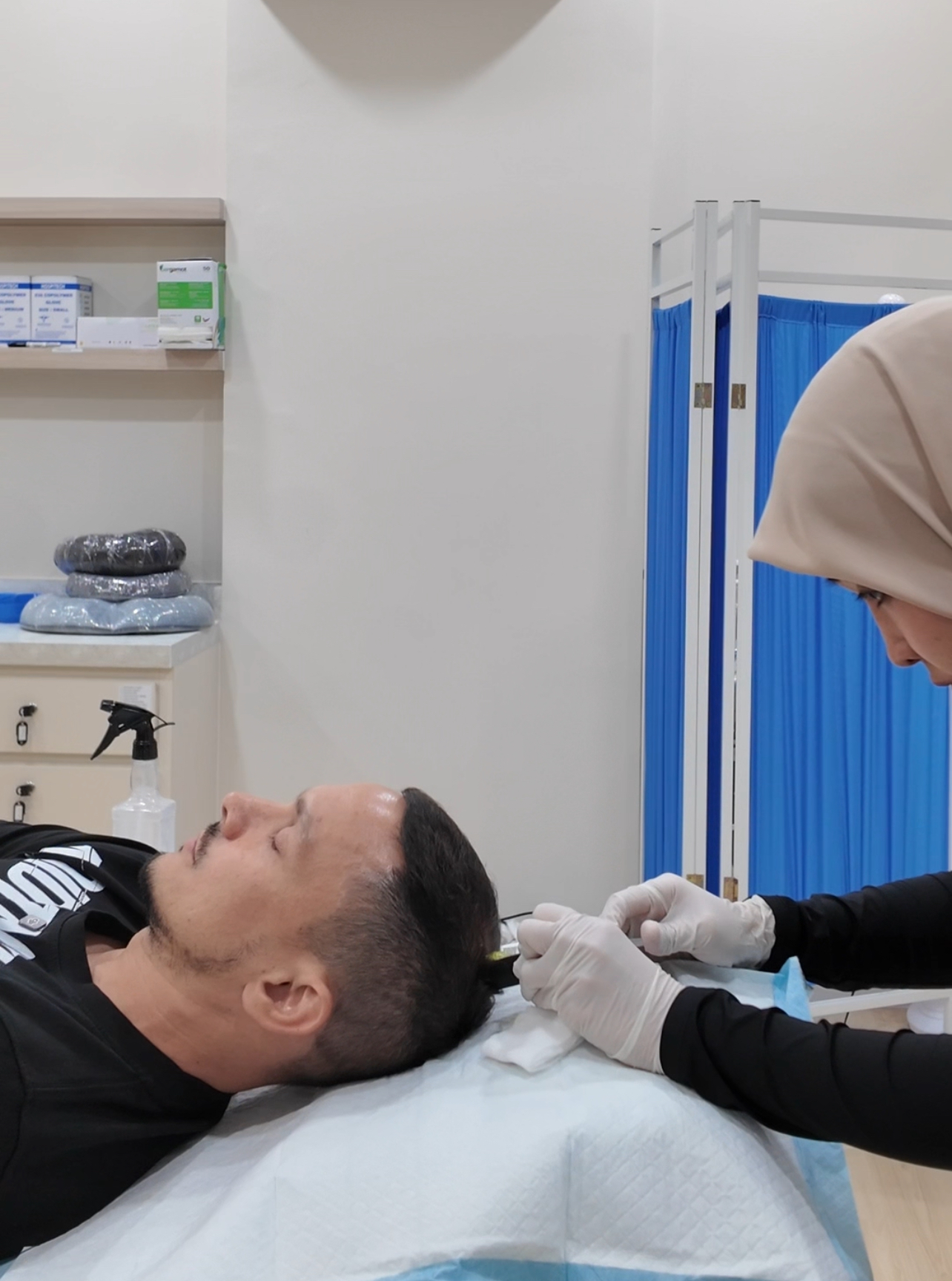
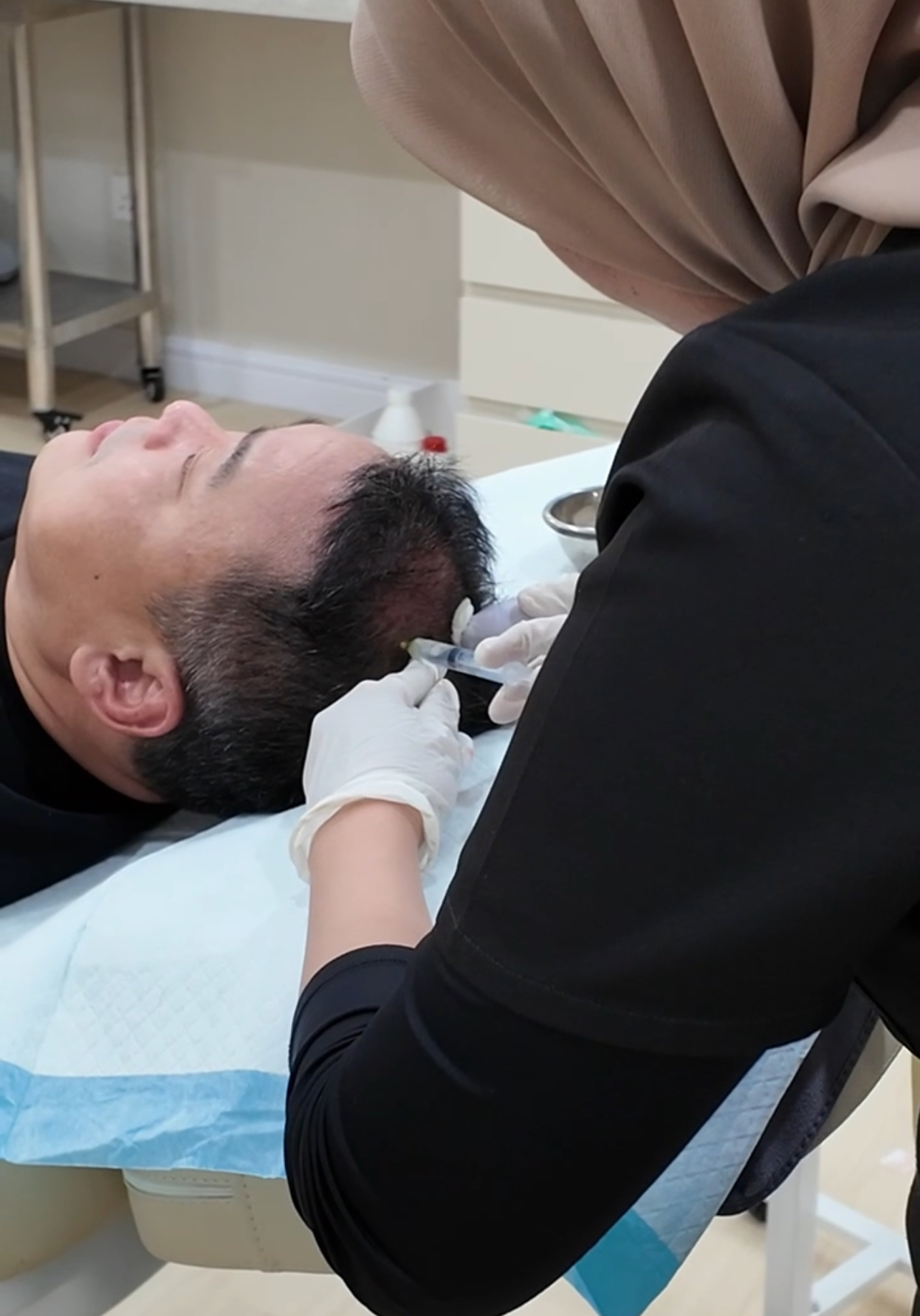
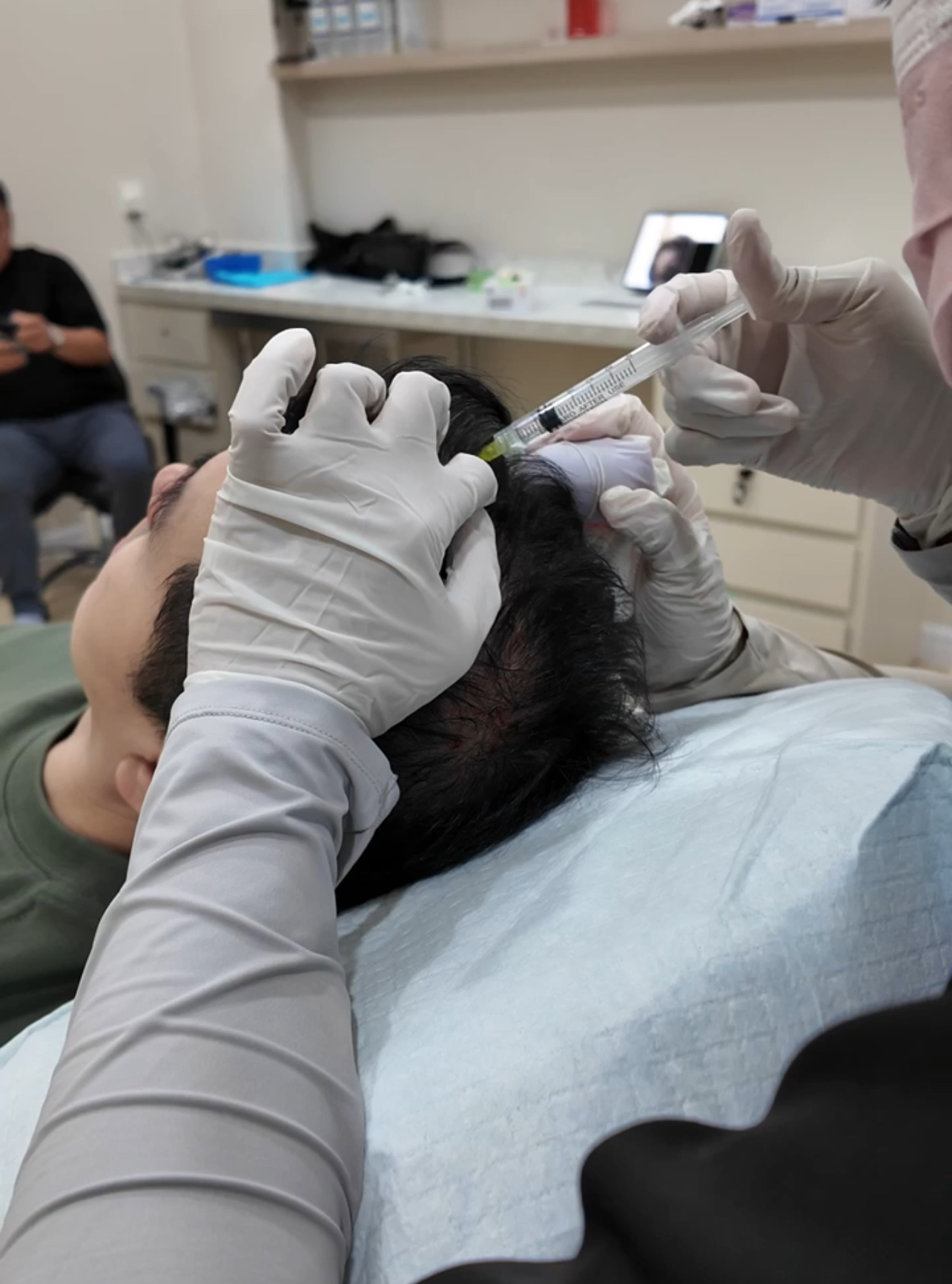
The scalp is cleansed and the PRP is injected into the thinning areas by the doctor.
05
The session typically takes under an hour; you go home the same day.
Treatment schedule
Published studies typically use an initial course of several sessions about a month apart, followed by maintenance. At Thrive, sessions are usually spaced every 4 weeks, with a minimum course of 3–4 sessions. Each session takes around 15–30 minutes. The exact plan depends on the treatment protocol the doctor recommends for you.
Downtime
Most people return to normal activities the same day. Temporary tenderness, redness, mild swelling or pinpoint bleeding at injection sites are common and usually settle within a few days.
Safety
Risks and precautions
Possible side effects and risks
- Pain or tenderness during and after injections
- Temporary redness, swelling, bruising or headache
- Infection at injection sites (uncommon)
- Temporary increase in shedding in some patients
- Bruising at the blood-draw site
Precautions
- Tell your doctor about all medications and supplements, especially blood thinners or anti-inflammatories
- Follow the pre- and post-treatment instructions given at your consultation
- Continue your prescribed medical therapy unless the doctor advises otherwise
Evidence
What the research shows — and doesn't
Evidence
- Randomised and controlled studies of PRP in androgenetic alopecia have reported improvements in hair density, hair thickness and hair count compared with baseline or placebo.
- A 2026 prospective randomised, evaluator-blinded study of 234 patients reported increases in hair density (+31.4%), thickness (+26.8%) and total hair count (+29.7%) at 12 months, with no severe adverse events.
- In a randomised, single-blinded trial of 40 patients, a monthly course of 3 sessions plus a booster improved hair count by 29.6% at 6 months, versus 7.2% for sessions spaced 3 months apart (p < 0.001); 82% of patients were satisfied or highly satisfied.
- In a randomised, double-blind, placebo-controlled half-head study of 25 patients receiving 3 monthly sessions, hair density on the PRP-treated side rose from 167.1 to 179.9 hairs/cm² at 6 months, significantly better than the placebo side.
- In a study of 69 men comparing 5% minoxidil, PRP and the two combined, the combination increased hair density by 32% and hair shaft diameter by 26%, significantly more than either treatment alone — supporting PRP alongside, not instead of, medical therapy.
Limitations
- Preparation methods, platelet concentration and session schedules vary widely between studies, which makes direct comparisons difficult.
- PRP does not regrow hair from follicles that are no longer viable and does not replace a hair transplant where one is needed.
- Results are not permanent without ongoing management; responses vary between individuals.
From the published studies
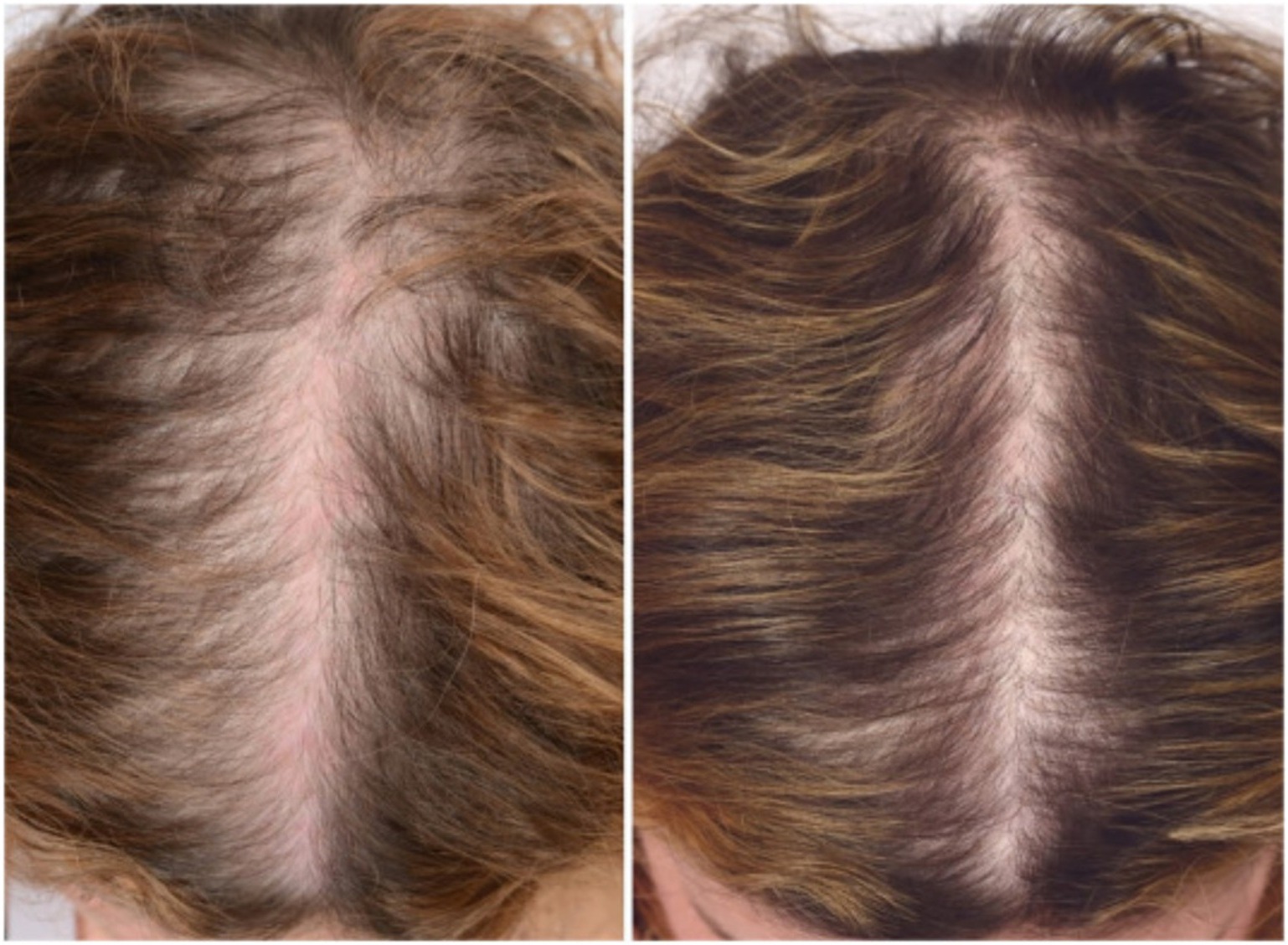
Before and 3 months after 3 PRP sessions — a 46-year-old woman with pattern hair loss.
Stevens & Khetarpal, Int J Womens Dermatol 2019 (CC BY 4.0)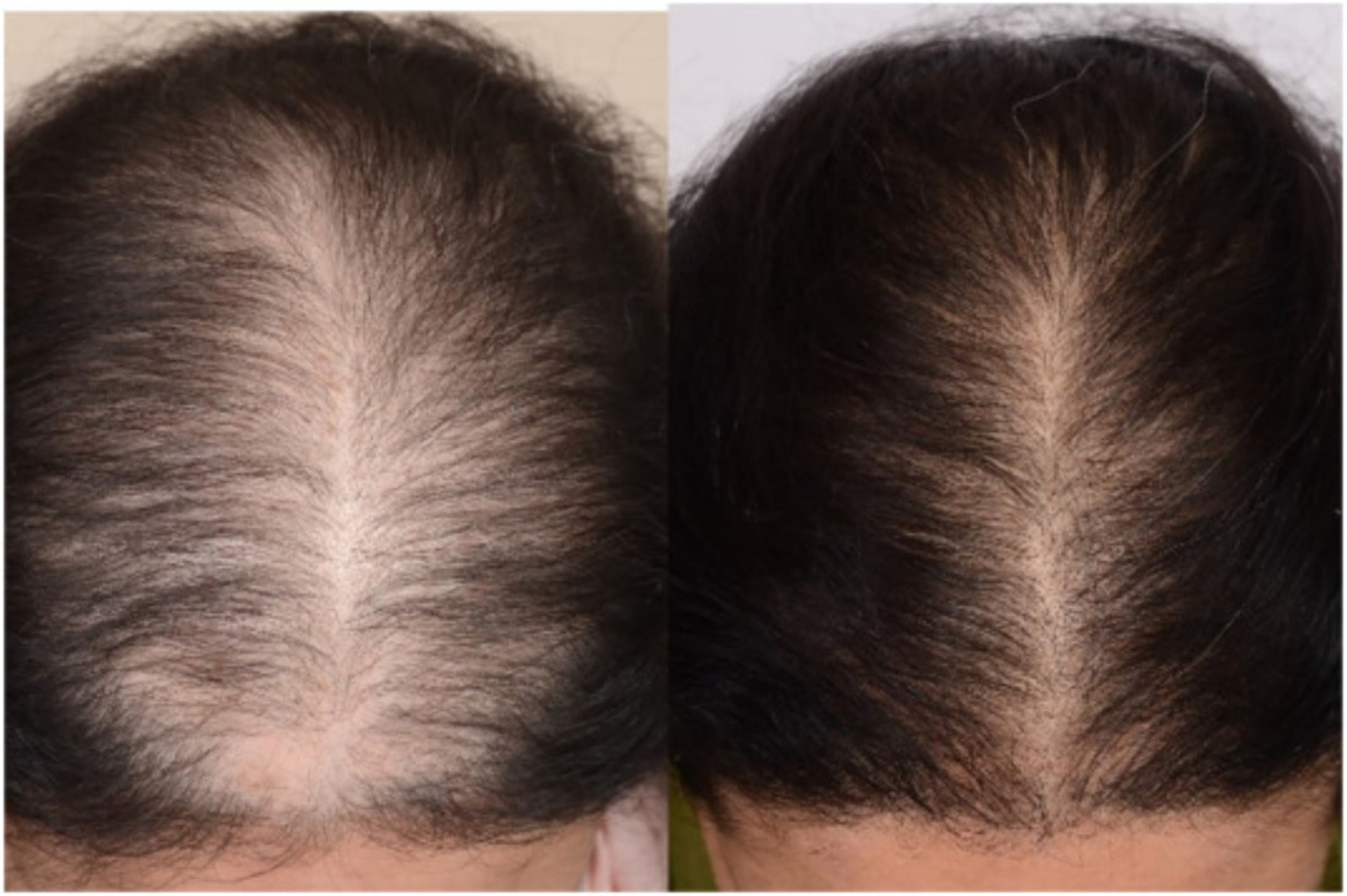
Before and 4 months after 5 PRP sessions — a 31-year-old woman with pattern hair loss.
Stevens & Khetarpal, Int J Womens Dermatol 2019 (CC BY 4.0)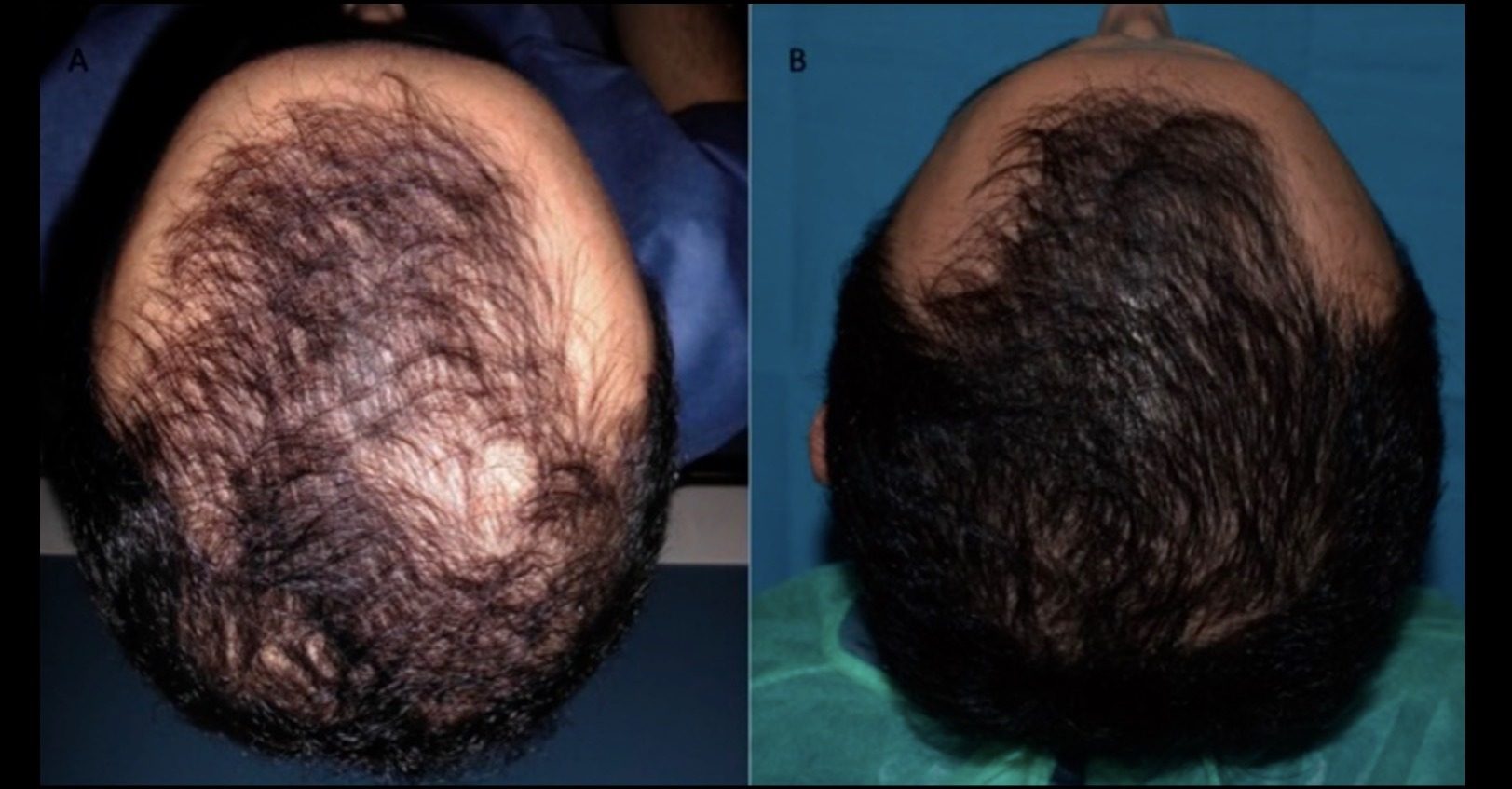
Before and 2 weeks after the last of 3 PRP sessions — a 29-year-old man in the randomised, placebo-controlled half-head trial.
Gentile P et al., Stem Cells Transl Med 2015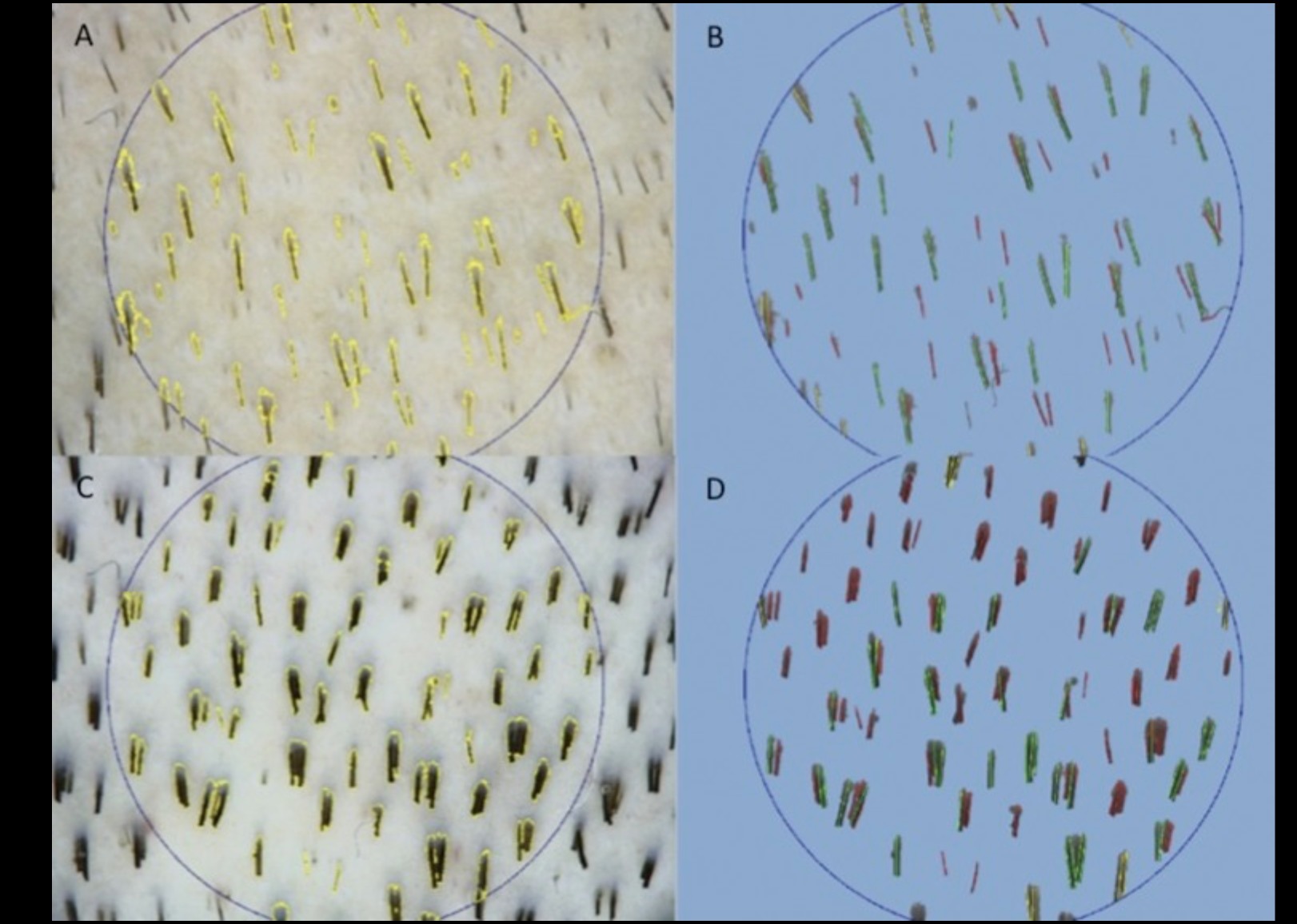
Computer-measured Trichoscan images from the same trial: hair count rose from 67.5 to 128.5 hairs/cm².
Gentile P et al., Stem Cells Transl Med 2015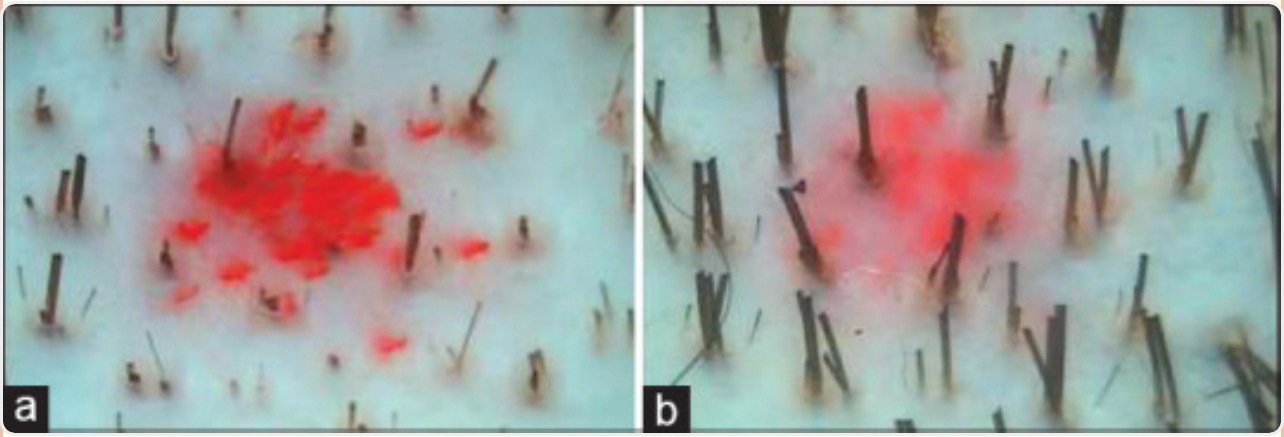
Phototrichogram (×60) before and after 5% minoxidil plus PRP — the combination outperformed either treatment alone in a study of 69 men.
Pakhomova & Smirnova, Int J Trichology 2022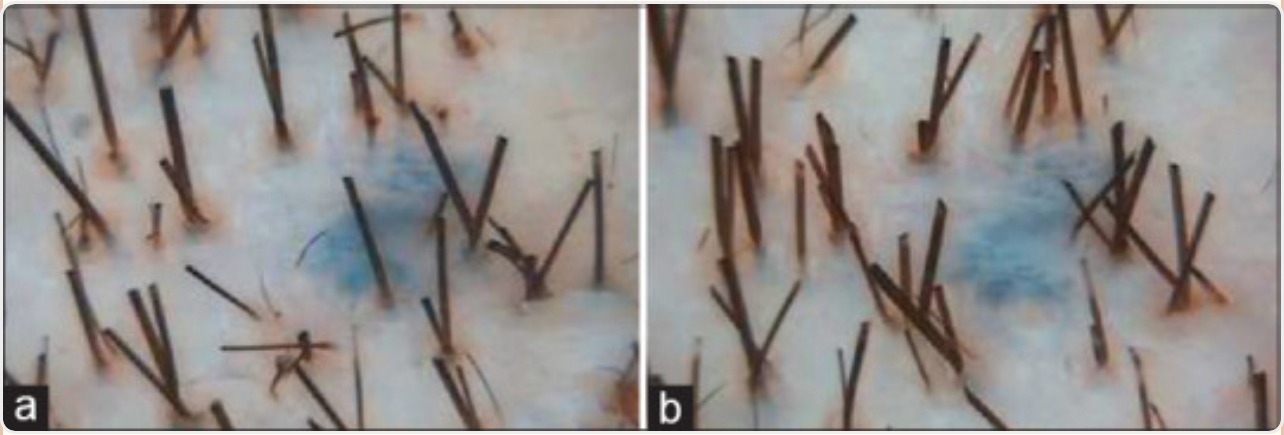
Phototrichogram (×60) before and after PRP injections alone, from the same study.
Pakhomova & Smirnova, Int J Trichology 2022These photographs are figures reproduced from the published studies cited below. They are published research examples — individual results vary, and no outcome can be guaranteed.
References
- Prospective randomised study of non-activated PRP in male and female pattern hair loss (2026), PubMed 42682108
- Gentile P et al. The effect of PRP in hair regrowth: a randomized placebo-controlled trial. Stem Cells Transl Med, 2015
- Hausauer AK, Jones D. Evaluating the efficacy of different PRP regimens for management of androgenetic alopecia. Dermatol Surg, 2018
- Alves R, Grimalt R. Randomized placebo-controlled, double-blind, half-head study of PRP in androgenetic alopecia. Dermatol Surg, 2016
- Stevens J, Khetarpal S. Platelet-rich plasma for androgenetic alopecia: a review and proposed treatment protocol. Int J Womens Dermatol, 2019
- Pakhomova E, Smirnova O. Combination therapy with PRP and minoxidil in men with androgenetic alopecia. Int J Trichology, 2022
FAQs
Questions about PRP
Does PRP hurt?+
Most patients feel some discomfort from the injections. The doctor will discuss comfort measures with you at your consultation.
When will I see results?+
Changes in hair growth take time because hair grows slowly. Studies usually assess results after several months; your progress is reviewed with follow-up trichoscopy.
Can PRP replace my hair loss medication?+
Not usually. PRP is generally used alongside medical therapy, not instead of it. Your doctor will advise what combination suits you.
How much does PRP cost?+
PRP is priced at 1 session RM650, 3 sessions RM1,500, 6 sessions RM3,000. Instalments are available with Maybank EzyPay. PRP is also included in the Thrive Regenerative Hair Booster Programme.
Next step
Find out if PRP is right for you
Message us on WhatsApp to arrange an assessment with one of our doctors. Treatment is only recommended where it can genuinely help.
Thrive's specific PRP preparation system is confirmed at consultation. This page provides general information and is not medical advice. Individual results vary and no outcome can be guaranteed; a clinical assessment is required before any treatment.