
Regenerative Treatments · Regenera Activa
Autologous micrografting with Regenera Activa
Regenera Activa uses tiny samples of your own scalp tissue, processed into a micrograft suspension and delivered into thinning areas. It is a minimally invasive regenerative option — distinct from a hair transplant.
What it is
Autologous Micrografting (Regenera Activa)
Regenera Activa is an autologous micrografting technology (Autologous Micrograft Technology, AMT). A few very small punch samples of scalp tissue — the maker's protocol describes samples of about 2.5 mm — are taken from the donor area at the back of the scalp.
The samples are mechanically disaggregated into a suspension of micrografts, which contains your own tissue cells, growth factors and extracellular components. No enzymes or chemicals are added, and the process runs in a closed system.
This suspension is injected into thinning areas. No hair follicles are transplanted, so it does not create new hairs the way an FUE transplant does.
The maker states the whole appointment takes about 30 minutes, with visible changes described from 4–6 weeks and effects that can last at least a year. Individual results vary.
Who may be suitable
- Men and women with early-to-moderate pattern hair loss and viable follicles in the thinning area
- Patients looking for a regenerative option involving their own tissue
Who may not be suitable
- Active scalp infection, inflammation or untreated scalp disease in the treatment area
- Pregnancy or breastfeeding
- Scarring alopecia or advanced loss where follicles are no longer viable
- Bleeding disorders or anticoagulant therapy (assessed individually)
- Patients with very advanced loss who need follicles replaced rather than supported
- The maker's material additionally lists scarring alopecia, alopecia areata, long-term anticoagulant use, and cancer or immune diseases as situations where the treatment is not recommended
Suitability is always confirmed by a doctor after assessment.
From the patient brochure
Regenera Activa — the treatment at a glance
The supplier’s description of autologous skin micrografting for pattern hair loss.
From your own scalp tissue
The brochure describes autologous skin micrografts containing progenitor cells, growth factors and extracellular matrix. Autologous means the tissue comes from your own body, rather than a donor.
Mechanical preparation
The device breaks the tissue into smaller micrografts in a suspension. The supplier describes a closed system without added enzymes or chemicals; the suspension is then injected into thinning areas.
One visit, with aftercare
The brochure describes a single session taking about 30 minutes. Although it calls this ‘no downtime’, small tissue-sampling sites still need care: avoid hair washing for 24 hours, strenuous exercise for 48 hours and chemical contact for 2 weeks. Follow your doctor’s individual instructions.
Changes take time
The supplier describes visible changes from 4–6 weeks and effects lasting at least a year. These are brochure claims, not guaranteed outcomes or Thrive’s own measured results; response and maintenance needs vary.
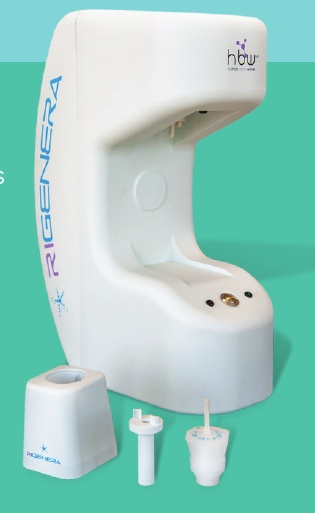
Results pictured in the brochure
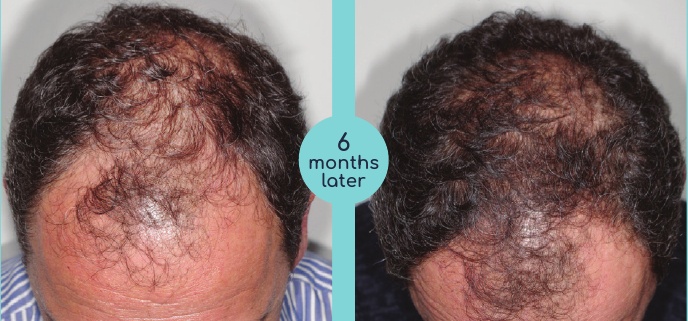
Male case — six months later
Brochure image by Dr Xenia Vorobieva; supplied by NEOASIA
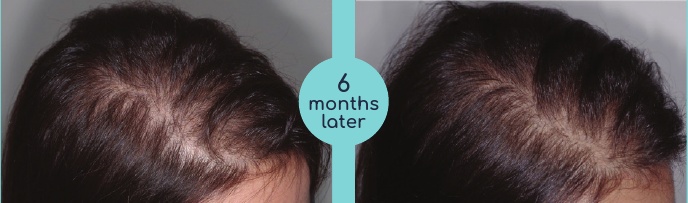
Female case — six months later
Brochure image by Dr Xenia Vorobieva; supplied by NEOASIA
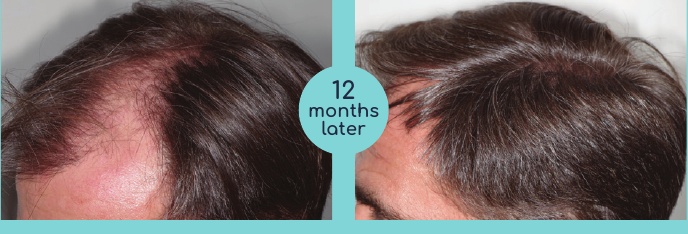
Hairline case — twelve months later
Brochure image by Dr Xenia Vorobieva; supplied by NEOASIA
Supplier-selected examples credited in the brochure to Dr Xenia Vorobieva. Timelines are the brochure’s own. Individual results vary; photo reuse permission from NEOASIA remains to be confirmed before publishing.
The brochure describes the device as CE-marked and FDA-listed. Device listing is not FDA approval of a hair-growth benefit and does not establish Malaysian registration status. Suitability requires a doctor’s assessment; this is not a hair transplant or a cure for all hair loss.
The procedure
What the treatment involves
01
Assessment and trichoscopy to confirm suitability. The maker's training material uses a trichoscopy-based checklist to identify patients most likely to respond, and to set expectations honestly where follicles are too far miniaturised.
02
Local anaesthetic is applied to the donor area at the back of the scalp.
03
A few small punch samples of scalp tissue are taken.
04
The tissue is processed into a micrograft suspension in a dedicated device during the same visit.
05
The doctor injects the suspension into the thinning areas, and you go home the same day. The maker advises avoiding hair washing for 24 hours, strenuous exercise for 48 hours and chemical contact with the scalp for 2 weeks.
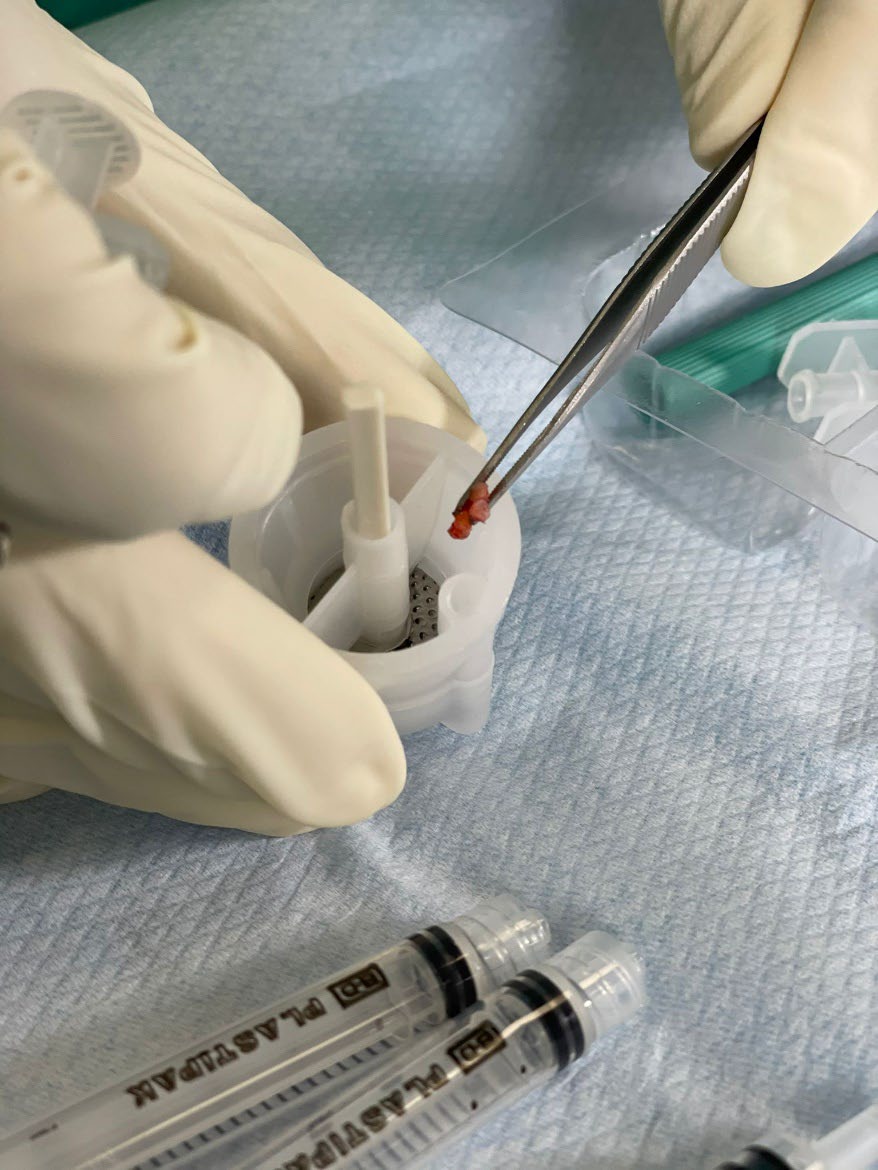
Regenera Activa supplier training material
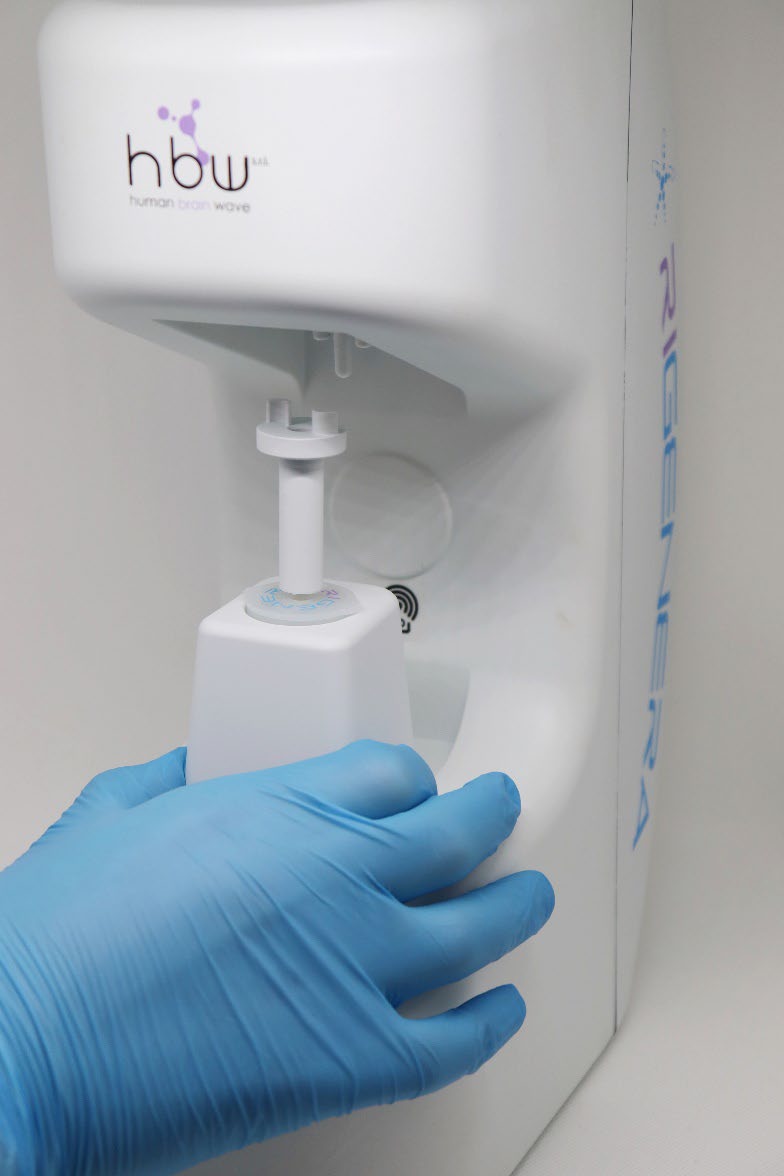
Regenera Activa supplier training material
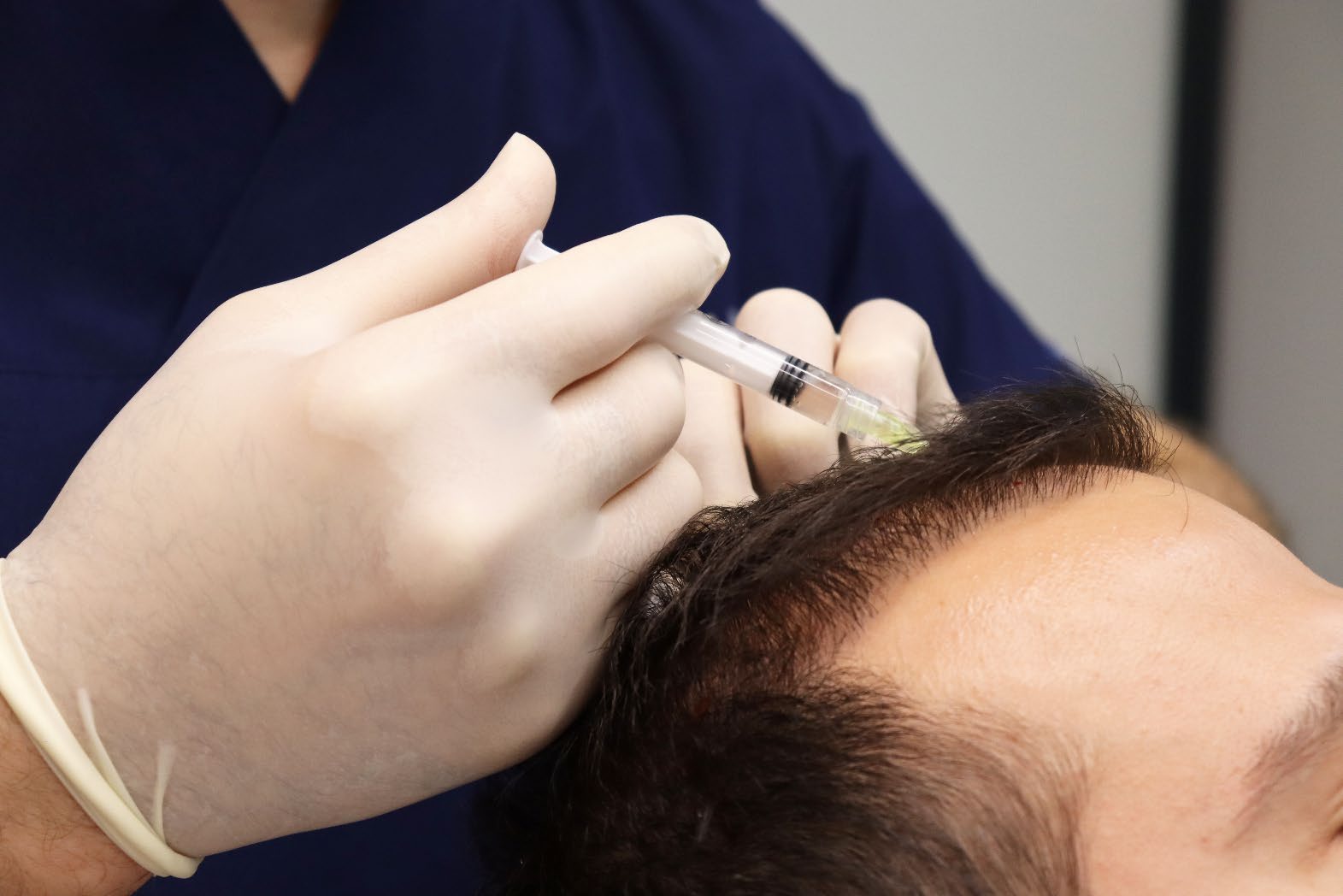
Supplier training material
Treatment schedule
Regenera Activa is commonly described as a single-session procedure, with follow-up reviews. Whether a repeat session is advised is decided by the doctor. Thrive's session structure is confirmed at consultation.
Downtime
Most people resume normal activities within a day or two. The small donor sites may be tender and need simple aftercare while they heal; the treated area may be red or tender briefly.
Safety
Risks and precautions
Possible side effects and risks
- Discomfort, minor bleeding or tenderness at donor and treatment sites
- Small marks at donor punch sites
- Infection (uncommon)
- Temporary swelling, redness or shedding
Precautions
- Disclose all medications, especially blood thinners
- Follow donor-site wound care and post-treatment instructions
- Continue your prescribed medical therapy unless advised otherwise
Evidence
What the research shows — and doesn't
Evidence
- A placebo-controlled, randomised, evaluator-blinded half-head study of autologous micrografts in male and female pattern hair loss reported that, 58 weeks after treatment, the treated area had gained on average 18.0 hairs per 0.65 cm² and 23.3 hairs per cm² over baseline, while the untreated control area slightly decreased (treatment vs control, P < 0.0001). Six of the original patients were retreated around 26 months after the first treatment.
- Published clinical studies of autologous micrografting in androgenetic alopecia have reported increases in hair density in treated areas.
- The maker describes the device as CE-marked and FDA-listed, supported by clinical studies; those regulatory listings concern the device, not a specific hair-growth claim.
- The supplier's material for Malaysian clinics describes visible changes from 4–6 weeks and effects lasting at least a year.
Limitations
- The evidence base is smaller than for PRP, with few large randomised controlled trials.
- The main controlled half-head study followed 27 patients; its authors note that broader controlled studies are required. The technique's close association with the groups that developed the protocol is a factor to weigh when reading the results.
- It supports existing follicles; it does not replace a hair transplant where follicles have been lost.
- Responses vary between individuals, and long-term durability is still being studied.
- The case photos and timelines below come from the product distributor.
From the Regenera Activa case collection
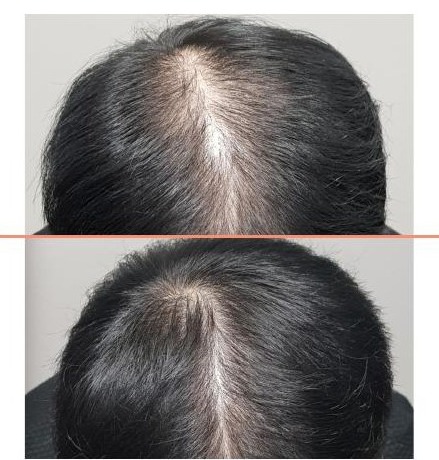
Three months after the AMT procedure.
Supplier case image, Regenera Activa (Dr Joshua Chong)
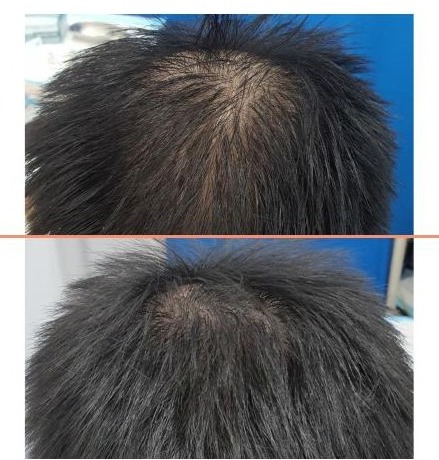
Two months after the AMT procedure.
Supplier case image, Regenera Activa (Dr Kelvin Tan)
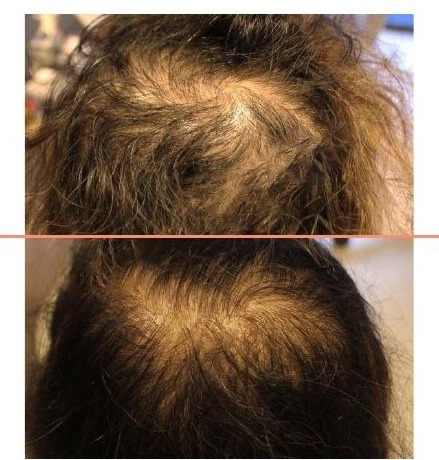
One year after the AMT procedure.
Supplier case image, Regenera Activa (Dr Faruk Yavuz)
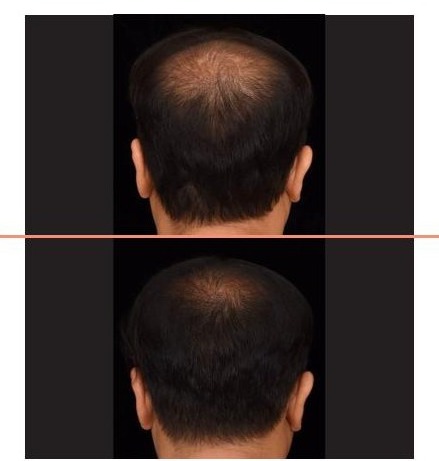
Three months after the AMT procedure.
Supplier case image, Regenera Activa (Dr Panchaprateep)
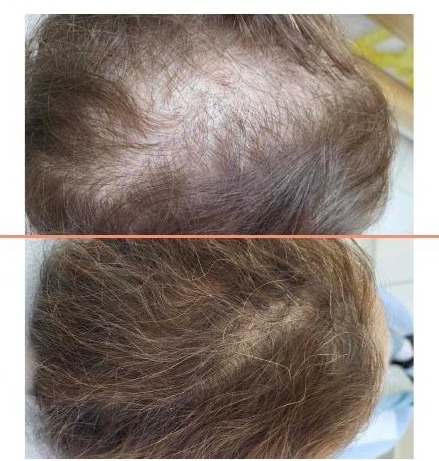
Six months after the AMT procedure.
Supplier case image, Regenera Activa (Dr Alina Salman)
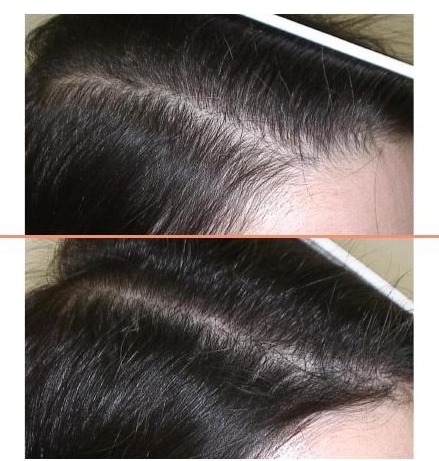
Three months after the AMT procedure.
Supplier case image, Regenera Activa (Dr Markova)
These case images were supplied by the product distributor and photographed at other doctors' clinics. The time labels are the supplier's own. Consent and permissions for their use are being confirmed with the supplier. Individual results vary and no outcome can be guaranteed.
References
- Gentile P, Scioli MG, Cervelli V, Orlandi A, Garcovich S. Autologous Micrografts from Scalp Tissue: Trichoscopic and Long-Term Clinical Evaluation in Male and Female Androgenetic Alopecia. BioMed Research International 2020 (PubMed 32071919)
- PubMed — clinical studies of autologous micrografts (Regenera Activa) in hair loss
FAQs
Questions about Regenera Activa
Is this a hair transplant?+
No. Regenera Activa injects a suspension made from small tissue samples. It does not transplant follicles, so it cannot replace a hair transplant where follicles have been lost.
Does it leave scars?+
The donor samples are very small. They usually heal as small marks that are hidden by surrounding hair, but healing varies between individuals.
Is one session enough?+
It is commonly delivered as a single session. Your doctor will advise whether a repeat session is appropriate for you.
How long do results last?+
The maker describes effects that can last at least a year after a single session, and the main published study retreated some patients after about two years as hair loss progressed. Your doctor will discuss maintenance at your review.
How much does it cost?+
Pricing is confirmed at your consultation.
Next step
Find out if Regenera Activa is right for you
Message us on WhatsApp to arrange an assessment with one of our doctors. Treatment is only recommended where it can genuinely help.
Session pricing for this treatment has not yet been published and is confirmed at consultation. Thrive's session structure and follow-up schedule for Regenera Activa are confirmed at consultation. Confirm permission with NEOASIA (the distributor) to use the Regenera Activa case images on the website before publishing. This page provides general information and is not medical advice. Individual results vary and no outcome can be guaranteed; a clinical assessment is required before any treatment.